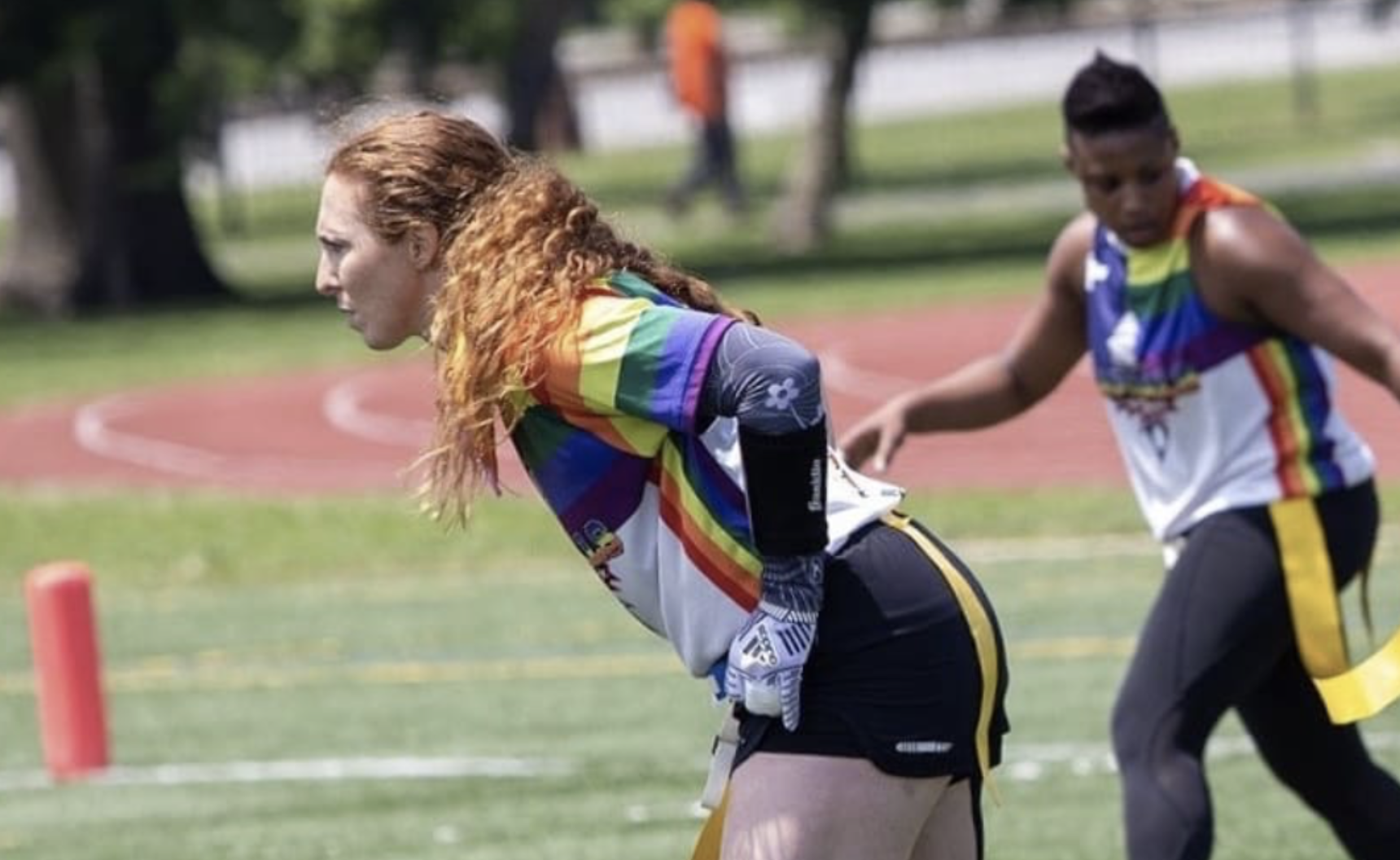
The National Gay Flag Football League (NGFFL) invites you to
COMPETE. CONNECT. UNITE.
OVER 250 TEAMS IN 26 LEAGUES ACROSS THE US & CANADA ARE MEMBERS OF NGFFL
Leagues listed below in alphabetical order (by league name). Home city for each league listed below league logo. Click league logo to connect to that specific league.

We take pride in providing a well-run league at a reasonable cost and are very interested in having new players and volunteers join us.
If you are interested in learning how you can join or simply to get more information, please contact our Director of Outreach & Membership Jonathan Fenelon.
COMMISSIONER’S WELCOME
On behalf of our many players, leagues, and sponsors around the country, thank you for your interest. Since 2002, the NGFFL has empowered thousands of LGBTQ athletes and allies through on- and off-the-field engagement. We’re proud of our success, and we hope you’ll find a home in one of our premiere gay sporting leagues in a city near you.
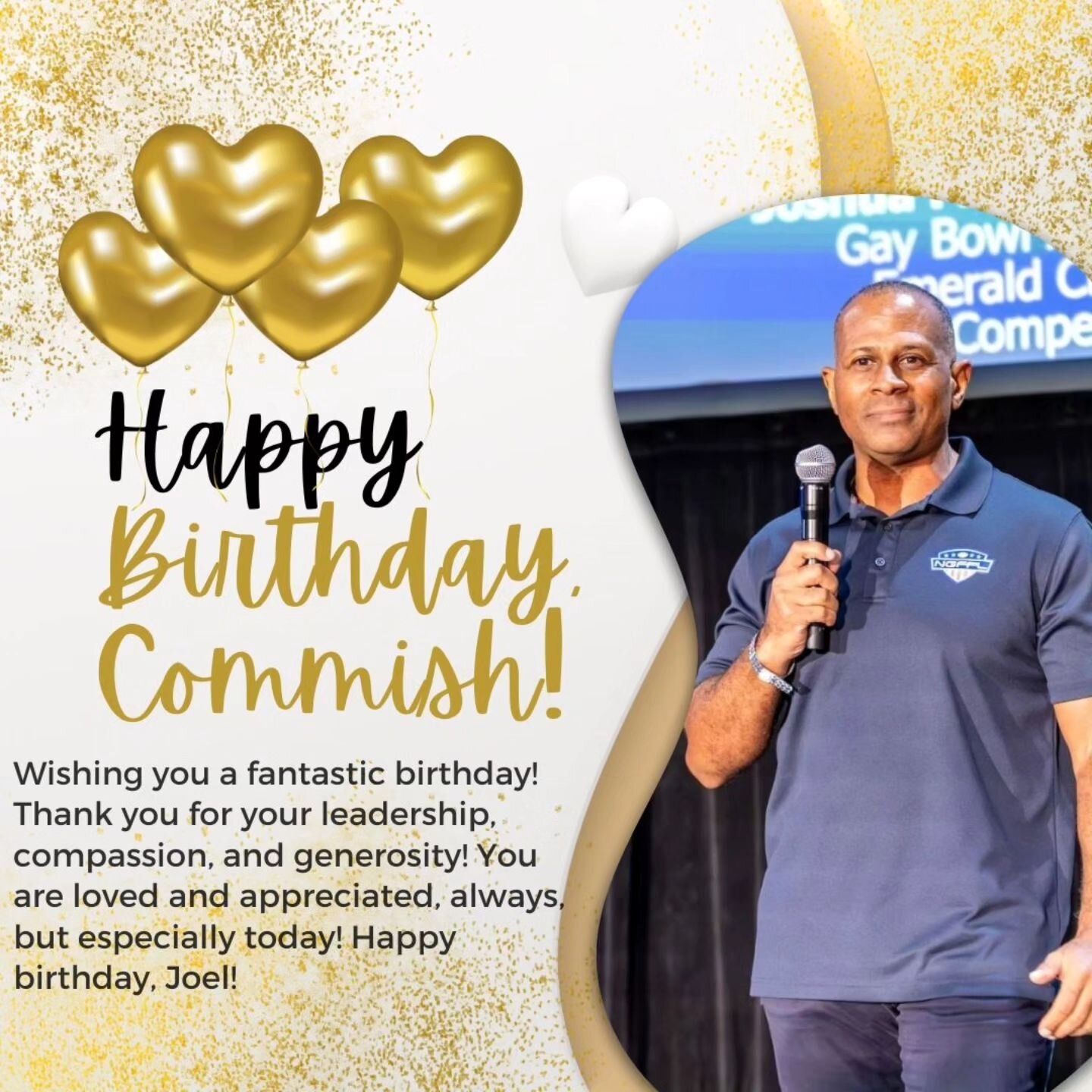
Joel Horton · NGFFL Commissioner
Follow our journey on instagram

NGFFL Participant Incident Report Form
NGFFL tournament participants may report incidents that occur during any event at an NGFFL-conducted tournament for possible referral to the NGFFL's Participant Conduct Committee (PCC).
The NGFFL Director of Officials will send a confirmation of receipt of any participant’s incident report filing no later than 24 hours after submission, with the entire NGFFL Board copied.
All off-field incidents should be reviewed as soon as possible to determine player eligibility in the current tournament. A PCC decision that allows a participant to continue to participate in the current tournament does not necessarily mean that the incident is closed, and the investigation is over. Any such decision also will not impact the PCC final decision until after the full investigation is completed.